



You don’t need a large garden, specialist knowledge, or a big budget to support wildlife at home. In fact, small, simple changes can have a real impact, creating a space where nature can thrive right on your doorstep. Whether you have a garden, allotment, courtyard, or even a small outdoor area, here are some easy ways to get started.
1. Let a little wildness in
One of the most effective things you can do is less. Allowing part of your space to grow a bit wilder, whether that’s longer grass, nettles, or wildflowers, creates valuable habitats for insects like bees and butterflies. These areas provide food, shelter, and breeding space, helping to support the wider ecosystem. It doesn’t have to be messy, even a small “wild corner” can make a difference.
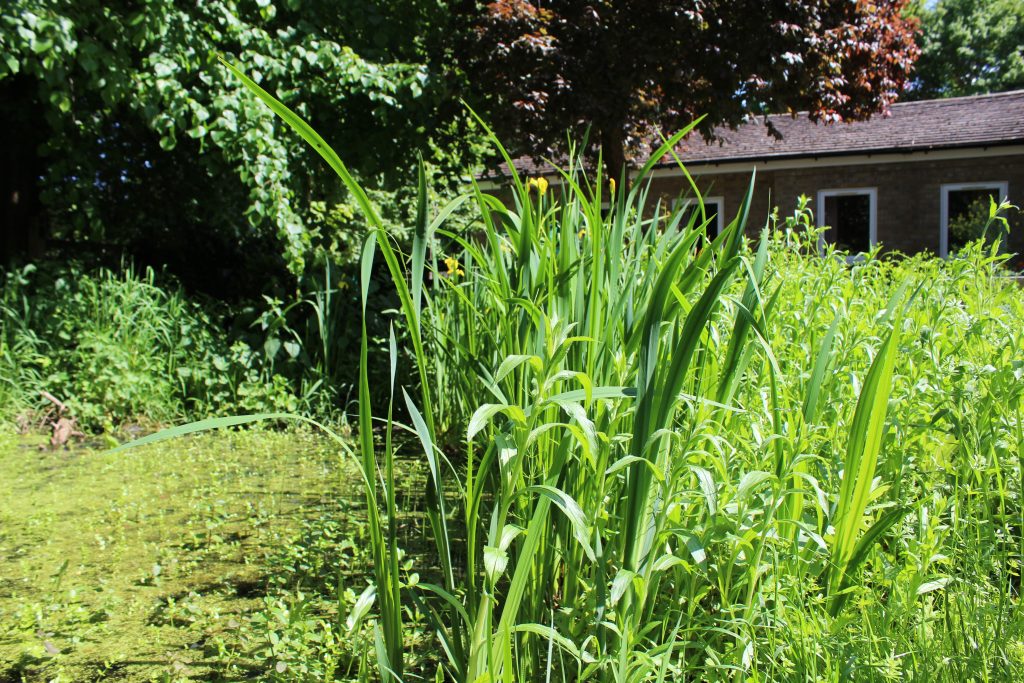
2. Provide water for wildlife
Water is essential for wildlife, especially during warmer periods. A pond is ideal, but it’s not the only option. A shallow dish or container of water can support birds, insects, and small mammals. If you do add water, make sure there’s a gentle slope or stones so animals can get in and out safely.
3. Create natural habitats
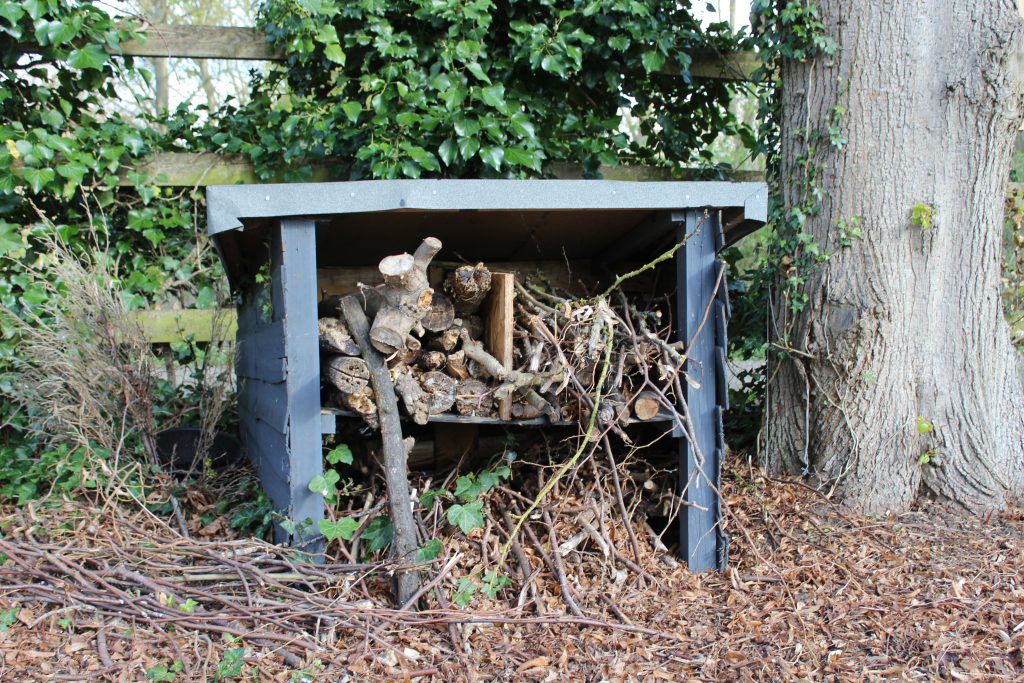
Wildlife needs places to hide, rest, and overwinter. Simple features like log piles, compost heaps, or even leaving fallen leaves in place can provide a home for insects, hedgehogs, and other small creatures. These natural materials are often more beneficial than anything you can buy.
4. Plant for year-round support
Try to include a mix of plants that flower at different times of the year. This ensures there’s a steady food source for pollinators from early spring through to autumn. If you’re just starting out, focus on variety rather than perfection. Even a few well-chosen plants can have a big impact.
5. Avoid pesticides where possible
It can be tempting to tackle pests quickly, but pesticides often do more harm than good. They can affect the very wildlife you’re trying to attract. A more sustainable approach is to encourage natural balance, where predators like birds and beneficial insects help keep things in check.
6. Add simple wildlife features
Installing bird boxes, insect hotels, or feeding stations can help attract a wider range of species. These don’t need to be expensive, many can be made using simple, recycled materials. Here’s some of our Nature’s School resources to get you started:
7. Think beyond your garden
Wildlife doesn’t recognise fences, but it can be stopped by them. If possible, leave small gaps at the bottom of fences to allow animals like hedgehogs to move freely between spaces. Connected habitats are far more valuable than isolated ones.
8. Start small and build over time
Creating a wildlife-friendly garden doesn’t have to be perfect. Every small action adds up. Whether it’s leaving a patch of grass to grow, putting out a bowl of water, or planting a few flowers, you’re helping to create space for nature in your local area.
Next: Watch our guide on how to identify the bugs in your garden
FAQ
What makes a garden wildlife-friendly?
A wildlife-friendly garden provides food, water, and shelter for animals and insects. This includes wild areas, flowering plants, water sources, and natural habitats such as log piles or compost heaps.
How can I attract wildlife to a small garden?
You can attract wildlife to a small garden by planting a variety of flowers, leaving a small area to grow wild, adding a water source, and including features like bird feeders or insect hotels. Even small changes can have a big impact.
Do I need a pond for a wildlife-friendly garden?
No, a pond is helpful but not essential. A shallow dish of water with stones can provide a safe drinking spot for birds and insects, making it a simple alternative for smaller spaces.
What plants are best for a wildlife-friendly garden in the UK?
Native plants and a mix of flowering species are best, as they provide food for pollinators throughout the seasons. Aim for a variety that blooms from early spring through to autumn.
Why should I avoid pesticides in my garden?
Pesticides can harm beneficial insects, birds, and other wildlife. Avoiding them helps create a natural balance where predators control pests, making your garden healthier and more sustainable.